As a polyester stretch fabric supplier, this is a question I get in my inbox and on the shop floor at least a few times every week: Does polyester stretch fabric shrink? It’s not a trivial question, either—whether you’re a designer making activewear, a homeowner reupholstering a dining chair, or a regular person picking out a top for a weekend hike, shrinkage can make or break your purchase. I’ve spent 12 years working alongside my team to refine our fabric production process, and I’ve seen firsthand how much misinformation is out there about this material. So today, I’m breaking down the science behind polyester stretch fabric shrinkage, what actually causes it, how to avoid it, and why not all polyester stretch fabrics are created equal. Polyester Stretch Fabric
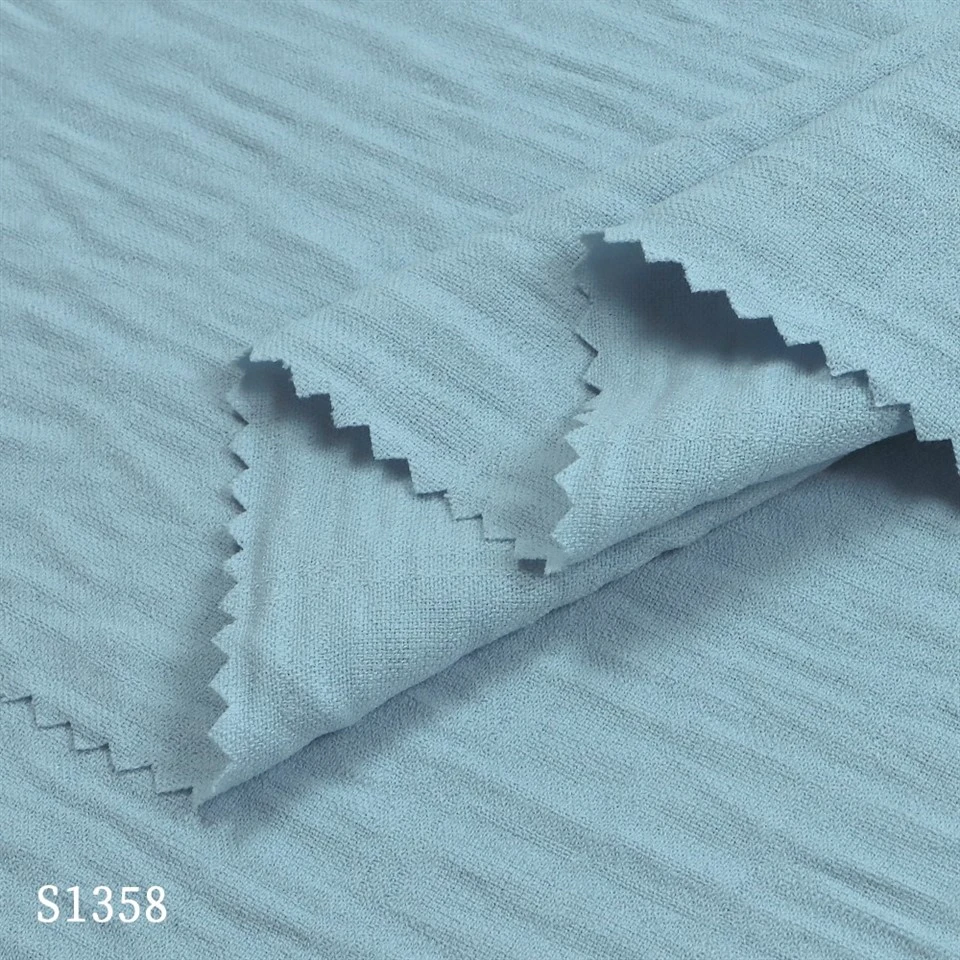
First, let’s get one thing straight: polyester itself is a synthetic polymer, made from petroleum-based fibers that are super durable, color-fast, and resistant to most forms of damage that natural fibers like cotton struggle with. But when you add “stretch” to polyester, that’s a whole different blend—usually a mix of polyester fibers and a small percentage of elastic fiber, most commonly spandex (also called Lycra or elastane). That spandex is what gives the fabric its give, its ability to move with your body when you’re bending, lifting, or stretching. But this blend of two different fibers is where a lot of the confusion about shrinkage comes in.
Let’s start with the basics of shrinkage. All fabrics shrink, at least a little, when they’re exposed to heat, moisture, or mechanical agitation—like the tumbling in a washing machine or dryer. Natural fibers like cotton have what’s called a “crystalline structure”; when they get wet, the fibers swell, and when they dry, they contract, often leaving you with a shirt that’s too tight. Polyester’s structure is different: it’s a thermoplastic, meaning it softens when heated and hardens again when cooled, without that same swelling and shrinking that comes from natural fibers. That’s why pure polyester fabric barely shrinks at all—like, usually less than 1%—even after multiple washes. But polyester stretch fabric? That’s the hybrid, and that’s where things get tricky.
The spandex in the blend is the wild card here. Spandex is also a thermoplastic, but it has a much lower melting point than polyester—usually around 180°C (356°F), compared to polyester’s melting point of around 255°C (491°F). So if you dry your polyester stretch fabric on high heat, the spandex fibers can start to break down, not just losing their stretch, but also causing the entire fabric to contract. That’s the most common cause of unexpected shrinkage. I’ve seen customers send back perfectly good fabric because they dried a new pair of leggings on high, and it shrank 2 or 3 sizes—all because they didn’t realize the spandex was more sensitive to heat than the polyester.
But it’s not just heat. How you wash the fabric matters too. If you use hot water, that can also affect the spandex, even if you line dry it. Hot water can relax the tension that’s built into the fabric during production—when we weave or knit polyester stretch fabric, we stretch the spandex slightly to get that consistent stretch, and if that tension is released by heat or rough handling, the fabric can shrink a bit to its “relaxed” state. A lot of people don’t know that polyester stretch fabrics actually have a relaxed length and a stretched length. When you first buy it, it’s in the stretched state, so when it goes back to relaxed, that’s where the shrinkage happens.
That’s not to say all polyester stretch fabrics shrink. The quality of the fabric has a huge impact here. At my company, we test every batch of polyester stretch fabric for what’s called “dimensional stability” before it leaves our warehouse. We follow standard testing methods—usually AATCC Test Method 135, which is for shrinkage of textiles after home laundering. We wash samples at 40°C (104°F) for 12 minutes, tumble dry on medium heat for 45 minutes, and then measure the length and width to see how much it shrinks. Our top-tier polyester stretch fabrics have shrinkage rates of less than 2%—that’s negligible, especially compared to cotton, which can shrink 5-10% if not pre-washed. Lower quality polyester stretch fabrics, though, might have shrinkage rates of 5% or more, because they use cheaper spandex that’s not processed to hold its tension, or they cut corners during production by not setting the fibers properly.
Setting the fibers is a critical step that a lot of small manufacturers skip, and it’s what makes the difference between a fabric that stays the same size and one that shrinks. When we make polyester stretch fabric, after we weave or knit it, we pass it through a heat setting machine that’s just below the melting point of the spandex—usually around 150°C (302°F). This sets the tension in both the polyester and the spandex fibers, so they don’t relax and shrink later. We also add a small amount of anti-shrinkage finish to the fabric, which coats the fibers and prevents moisture and heat from affecting their structure. Cheaper manufacturers skip this step to save time and money, so their fabrics shrink a lot more.
Another myth I hear all the time: polyester stretch fabric only shrinks in the wash. That’s not true. It can also shrink during production if it’s not handled properly, or even during storage. If you stack a bunch of polyester stretch fabric rolls on top of each other in a hot warehouse, the heat from the compression can cause the fibers to relax, leading to minor shrinkage. That’s why we store our fabric in climate-controlled warehouses, at a consistent temperature and humidity, to avoid that.
So what can you do if you have polyester stretch fabric and you want to prevent shrinkage? First, check the care label. Most good quality polyester stretch fabrics will have a care label that says “wash in cold water, tumble dry on low heat, or line dry”. Follow that. Don’t use hot water, and don’t dry on high heat—ever. Even if the label says it’s okay, I’d err on the side of caution. Second, pre-wash your fabric before using it for sewing or upholstery. That way, any initial shrinkage happens before you cut and sew, so your final product will stay the right size. Third, avoid harsh detergents or bleach, because those can also break down the spandex fibers over time, leading to shrinkage and loss of stretch.
Wait, but what if you have a piece of polyester stretch fabric that already shrank? Can you stretch it back? I get that question a lot too. The short answer is yes, partially, but it depends on how much it shrank and how long it’s been. Polyester and spandex are both elastic (spandex is super elastic), so if the shrinkage is due to relaxed tension, you can usually stretch it back. The best way is to wet the fabric with lukewarm water, then gently pull it back to its original size, and pin it to a flat surface (like a table or wall) to dry. Don’t use high heat to dry it, because that will just make it shrink again. If it shrank because the spandex fibers were damaged by heat, it’s harder to get it back, but you might still be able to stretch it a bit.
From a supplier’s perspective, this is why we’re so passionate about educating our customers. We don’t just sell fabric—we provide solutions, and that includes making sure our customers understand how to use and care for our products. A lot of companies will just sell you fabric and not tell you about care instructions, which leads to disappointed customers and returned products. At my company, every shipment comes with a care guide, and our sales team is always available to answer questions—whether you’re a small boutique designer needing advice on a new line of activewear, or a furniture maker needing fabric that won’t shrink after upholstering.
I’ve seen too many people write off polyester stretch fabric because of shrinkage issues, and that’s a mistake. When it’s high quality, properly produced, and cared for correctly, polyester stretch fabric is one of the most versatile materials out there. It’s lightweight, breathable, stretchy, durable, and resistant to wrinkles and stains. We use it for everything from yoga leggings and sports bras to car seat upholstery and even medical compression garments—all because it holds up well when made right.
Let me give you an example. Last year, we had a customer who makes high-end outdoor gear come to us with a problem: their old polyester stretch fabric was shrinking after 3 washes, and they were losing clients. We switched them to our premium dimensional-stable polyester stretch fabric, tested batches for shrinkage, sent them care instructions, and six months later, they came back to place a 10,000-yard order, saying their shrinkage issues were gone and their customer satisfaction was up 40%. That’s the kind of difference quality makes.
At the end of the day, the question “does polyester stretch fabric shrink?” doesn’t have a yes or no answer. It depends on three things: the quality of the fabric, how it’s produced, and how you care for it. Pure polyester barely shrinks, polyester stretch with high-quality spandex and proper heat setting shrinks very little, and low-quality polyester stretch with cheap materials and no setting can shrink a lot.
If you’re in the market for polyester stretch fabric for your next project, and you want to avoid the headache of unexpected shrinkage, don’t hesitate to reach out to our team. We can walk you through our fabric options, answer any questions about care, and make sure you get the right fabric for your needs. Whether you need a lightweight stretch for activewear, a heavy-duty stretch for upholstery, or something in between, we have options that meet strict dimensional stability standards so you can be confident in your final product.

Don’t let myths about shrinkage turn you off from the benefits of polyester stretch fabric. With the right information and the right supplier, it’s a material that will serve you well for years to come.
Polyester Crepe Fabric References
- AATCC Test Method 135-2021, Shrinkage of Textiles After Home Laundering, American Association of Textile Chemists and Colorists
- Textile Fiber Science: Properties, Performance, and Environmental Impact, M. Houck, Woodhead Publishing, 2019
- The Chemistry of Polymeric Fibers, S. Eichhorn, Routledge, 2012
- Performance Apparel: Fibers, Materials, and Design, J. Fan, Woodhead Publishing, 2009
Shaoxing Huichao Textile Co., Ltd.
As one of the most professional polyester stretch fabric manufacturers and suppliers in China, we offer a wide range of products with superior quality. Please feel free to wholesale bulk high-end polyester stretch fabric in stock here from our factory. Good service and reasonable price are available.
Address:
E-mail: darrenzhong@huichaotextile.com
WebSite: https://www.huichao-textile.com/
