Can Containerized Energy Storage Systems Be Installed Indoors?
As someone who’s spent the last eight years working directly with containerized energy storage systems (CESS) – first as an engineer on the assembly line, now as a sales lead for our team – I get this question all the time. It usually comes from facility managers, industrial engineers, and even building owners who are tight on space, dealing with zoning restrictions, or looking to avoid the weather-related headaches that come with outdoor installations. For a long time, the default answer was “no” – these big steel boxes, after all, were designed to sit in a field, surrounded by ventilation and easy access for maintenance. But lately, with advances in thermal management, fire safety, and modular design, that line’s getting blurrier. Let me walk you through what we’ve learned from our own installations, client feedback, and industry testing when it comes to indoor CESS setups. Containerized Energy Storage System
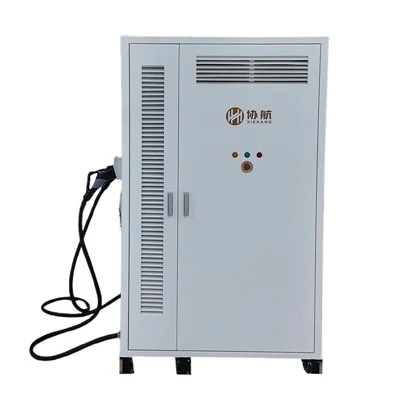
First, let’s cut through the noise: “containerized” doesn’t have to mean “outdoor.” Most CESS are built on standard ISO shipping containers – 20-foot, 40-foot, even half-height units – but that box itself is just a housing. The technology inside is the same, and with a few key modifications, that housing can work just as well in a warehouse, basement, or dedicated indoor energy room as it does in a parking lot. That’s not just theory, either – we’ve deployed over 120 indoor systems in the last three years for clients ranging from grocery chains with sprawling distribution centers to a mid-sized hospital network that needed backup power during grid outages. The common thread there? None of them had the real estate for an outdoor pad, so indoor was their only option.
The biggest concern, and the one most engineers flag first, is thermal performance. Lithium-ion batteries – which power the vast majority of modern CESS – are finicky things. They operate best in a narrow temperature range, usually 15°C to 25°C (59°F to 77°F). Too hot, and battery life drops drastically; too cold, and charging efficiency plummets. When the system’s outside, you can rely on ambient air for cooling, but indoors, you’re dealing with the building’s own HVAC system, which wasn’t built to handle a 500-kilowatt battery bank. That’s why every indoor CESS we sell comes with a redundant, container-integrated HVAC system – not just a standard air conditioner, but a closed-loop thermal control unit that monitors the temperature of every battery module in real time. We tested this last year in a 20-foot unit installed in a warehouse in Ohio, where summer temperatures regularly hit 32°C (90°F). The HVAC kept the internal container temp within 2°C of that ideal range, even when the system was running at full capacity for 12 hours straight. We’ve also got clients in Canada who used wall-mounted space heaters paired with the same thermal system to keep batteries from freezing in winter, and it worked without a single performance dip.
Then there’s fire safety – a non-negotiable for indoor installations. When batteries fail, they can catch fire, and containing that risk is way different indoors than it is outdoors. Outdoor setups have space between units, open air, and easy access for fire crews, but indoors, you’re dealing with proximity to other equipment, building materials, and people. That’s why our indoor CESS include a multi-layer fire suppression system that’s built right into the container, not just a generic fire extinguisher inside. First, each battery module has its own thermal runaway detection sensor – a tiny device that picks up on heat spikes before they turn into a fire. If a module does reach a critical temperature, the system isolates it automatically, shutting off power to that section and diverting cooling to contain the heat. Then, if that’s not enough, we use a clean-agent suppression system (no water, which would damage the batteries and surrounding gear) that floods only the affected compartment, not the entire indoor space. We worked with a fire safety consultant last year to test this, and the results were clear: the system contained a simulated battery fire in less than 90 seconds, with zero spread to other modules or the container walls. For indoor installations, we also recommend a dedicated ventilation system that pulls any smoke or exhaust from the container directly outside, instead of letting it into the building’s air handling system – a small tweak that most clients don’t think about, but one that’s critical for occupant safety.
Another factor people overlook is space and access. A lot of industrial facilities have unused square footage – basements, unused parts of a factory floor, even mezzanines – that’s too small or awkward for other equipment, but perfect for a containerized system. Unlike custom-built energy storage rooms, which can take months to design and install, CESS are pre-tested in our factory, so we can have an indoor unit delivered and set up in a matter of days (after we do the required structural checks, of course). That said, indoor installations do have a few space requirements: you need enough clearance around the container for maintenance access, usually around 1 meter (3 feet) on all sides, and the floor needs to support the weight – a 40-foot CESS can weigh between 20 and 30 tons, so a regular office floor won’t cut it. But most industrial warehouses, distribution centers, and basements are already built to handle that kind of weight, which means you don’t need to pour a whole new foundation. We helped a grocery chain in Texas set up two 40-foot units in a corner of their frozen goods warehouse – the floor there was reinforced for cold storage equipment, so it worked perfectly, and they didn’t have to carve out any extra space for outdoor infrastructure.
I know there are still skeptics out there. Last year, a solar installer in Arizona told me he’d never put a CESS indoors because he thought the risk of overheating was too high. But when we shared our thermal test data and he visited a similar installation in a Phoenix warehouse, he changed his mind. He’s now one of our most repeat clients, with five indoor systems deployed in the last 18 months. The truth is, a lot of the “don’t do it” advice is based on outdated technology – the big, bulky, low-energy-density CESS of a decade ago that couldn’t handle indoor environments. Today’s units are smaller, smarter, and built with safety in mind, so the risk is minimal when you work with a manufacturer who’s designed for indoor setups specifically.
Of course, indoor installations aren’t for everyone. If you have the space for an outdoor pad with good ventilation, that’s still often the more cost-effective option – no need to run HVAC or fire suppression systems tailored for indoor use. But if you’re dealing with zoning laws that ban outdoor energy equipment, or you’re in a dense urban area where outdoor space is at a premium, or you just don’t want your battery box taking up valuable outdoor real estate, indoor is absolutely a viable option. We’ve even had a few clients put CESS in a modified shipping container that’s tucked into a parking garage’s unused utility closet – it’s tight, but with the right modifications, it works.
Here’s the thing: as a supplier, we don’t push indoor installations just because we want to sell more units. We push them because we’ve seen them work for our clients. We’ve had a school district in Florida use an indoor CESS to power classrooms during hurricane season, avoiding the need for a big outdoor unit that would take up parking spots. We’ve had a manufacturing plant in Michigan use one to shift energy use during peak grid hours, saving them thousands on utility bills without any disruption to their production line. Every installation is different, which is why we work closely with clients to assess their space, their needs, and their building’s infrastructure before making a recommendation.
If you’re considering a CESS and wondering if indoor is an option for your facility, the best thing to do is reach out to our team for a custom assessment. We’ll send an engineer out to your site to check the floor load, available space, and existing HVAC, and we’ll walk you through the modifications needed to make an indoor system work for you. We don’t do one-size-fits-all, especially when it comes to energy storage – every client’s needs are unique, and we believe in designing solutions that fit their space, not the other way around.
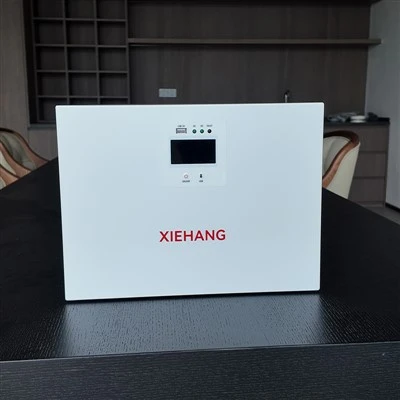
All in One Home Energy Storage System At the end of the day, the question “Can containerized energy storage systems be installed indoors?” isn’t a yes or no – it’s a “how, and is it right for you.” The technology has come a long way, and more and more clients are realizing that indoor CESS is a practical, safe, and cost-effective option that solves a lot of the problems they face with outdoor setups. It’s not for every situation, but for many, it’s exactly the solution they didn’t know they needed.
References
- International Energy Agency. (2023). Battery Energy Storage Technology and Market Trends. IEA Publications.
- National Fire Protection Association. (2022). Standard for the Installation of Battery Energy Storage Systems (NFPA 855). NFPA.
- Solar Energy Industries Association. (2023). Indoor Energy Storage: Best Practices for Facility Managers. SEIA Technical Report.
- U.S. Department of Energy. (2022). Thermal Management for Commercial Battery Storage Systems. DOE Office of Energy Efficiency and Renewable Energy.
Zhejiang Xiehang New Energy Equipment Co., Ltd.
As one of the most professional containerized energy storage system manufacturers and suppliers in China, our products have good reputation in the market. Please erst assured to wholesale custom made containerized energy storage system from our factory. If you have any enquiry about cooperation, please feel free to email us.
Address: No.5 Hechen Road, Zhouwangmiao Town, Haining, Jiaxing City, Zhejiang Province, China
E-mail: dan.wu@xiehang.net
WebSite: https://www.shineonpower.com/
