When we talk about material handling equipment (MHE), most people immediately think about forklifts, pallet jacks, and conveyor systems moving goods inside warehouses. But there’s a part of the MHE journey that’s just as critical—getting that equipment from our production line to your facility, and in some cases, moving it around your worksite once it arrives. As someone who’s been in the MHE supply business for over 12 years, I’ve seen firsthand how transportation missteps can turn a simple equipment delivery into a costly delay, or even damage gear that’s built to last. That’s why today I want to break down the real, practical transportation requirements for MHE—not just the logistics jargon, but the details that can make or break your operations. Material Handling Equipment
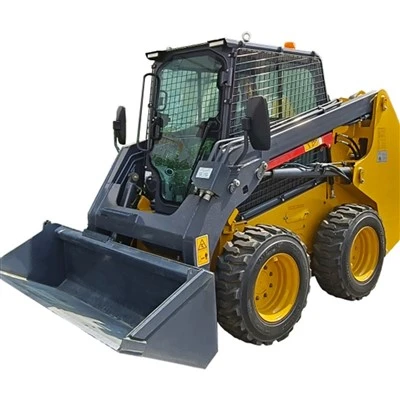
First, let’s start with the basics: not all MHE is built the same, so one-size-fits-all transportation rules don’t apply. A compact electric pallet jack for a small retail warehouse weighs around 1,500 pounds, while a heavy-duty counterbalance forklift used for loading shipping containers can tip the scales at 16,000 pounds or more. Even bigger, specialty equipment like reach stackers or automated guided vehicles (AGVs) for large distribution centers can exceed 50,000 pounds. Each of these has unique transportation needs, starting with weight and dimensions. For example, a standard forklift’s length from fork tips to the back of the cab is about 8 feet, but if you’re moving a three-stage mast model that extends up to 12 feet when raised, its height becomes a major factor. That means we can’t just hook it to a flatbed truck and hit the road—we have to check for overpass clearances, bridge weight limits, and even route restrictions in some urban areas. Last year, a client of mine ordered a 10,000-pound forklift for a warehouse in downtown Chicago, and we almost missed a route restriction because the city’s West Side limits trucks over 10 feet tall to after 7 PM. If we hadn’t double-checked the dimensions with the driver before dispatch, the equipment would’ve sat in a parking lot overnight, delaying their opening by two days.
Next, there’s the matter of compliance with federal and state transportation regulations. In the U.S., heavy MHE falls under the Department of Transportation (DOT) guidelines, which set rules for load limits, vehicle permits, and driver certifications. For loads over 10,000 pounds, you need a special heavy haul permit—something that’s not just a piece of paper; different states have different permit rules, and some require route surveys to make sure the road can support the weight. For example, a 16,000-pound forklift might be allowed on a standard highway in Ohio, but in California, you might need an overweight permit and an escort vehicle for any load over 12,000 pounds. We also have to make sure the driver operating the transport truck is properly certified for heavy equipment loads. Many new drivers don’t know that moving a forklift requires a commercial driver’s license (CDL) with a hazmat endorsement, even though the equipment itself isn’t hazardous. Cutting corners here can lead to fines that end up being passed on to you, or even a stop-work order when your delivery is inspected on-site.
Then there’s the handling of the equipment during transport—this is where a lot of mistakes happen, even with the right permits. MHE is made of metal and precision components, but that doesn’t mean it can be tossed onto a flatbed and strapped down. For example, electric forklifts have battery packs that weigh hundreds of pounds; if they’re not secured properly, shifting during a sudden stop can damage the battery terminals or even tip the equipment. We always use heavy-duty chain straps rated for at least 1.5 times the weight of the load, and we place foam padding between the forklift’s cab and the straps to prevent scratches. For pallet jacks and smaller equipment, we use custom crates instead of just shrink-wrapping them—shrink wrap can tear during transport, leaving the gear exposed to rain or road debris. A client in Atlanta once received a used pallet jack from a competitor that arrived with a bent fork because the supplier had only used two thin straps; we now include extra padding for all our small MHE as part of our standard delivery package to avoid that kind of issue.
Climate and terrain also play a role, especially if you’re moving MHE over long distances or to a remote worksite. If you’re in a part of the country with harsh winters, like Minnesota, you have to make sure the equipment is properly winterized before transport. That means draining any water from the cooling system, adding antifreeze, and wrapping hydraulic lines to prevent freezing. I remember a delivery we made to a construction site in northern Michigan in January a few years back; the driver forgot to winterize a telehandler, and when the site team tried to start it, the hydraulic system seized up. We had to send a technician on a four-hour drive to fix it, and that delay cost the site three days of work. On the flip side, if you’re moving MHE to a desert location, like Arizona, you have to protect the electronic components from extreme heat—direct sunlight can warp plastic parts and damage circuit boards. We now use weatherproof covers for all our MHE going to regions with extreme temperatures, which has cut down on damage claims by 70% over the last five years.
Once the equipment arrives at your facility, there are still transportation requirements to consider when moving it around your worksite. Even if you hire a third-party transport company to bring it to your dock, you need to make sure your own facilities can handle it. For example, if you’re receiving a forklift, you need a flat, stable surface to unload it—dirt yards or uneven pavement can cause the forklift to tip during offloading, which is a major safety hazard. We always advise clients to clear a 10×12 foot area near the delivery dock with a grade of less than 2% before our driver arrives. Another thing: power sources. If you’re moving an electric MHE, you need to have access to a charging station within 50 feet of where the equipment will be used—many new operators don’t realize that some AGVs and large electric forklifts need to be charged for 8 hours after uncrating before they can run, so if the delivery happens on a Friday, the equipment won’t be usable until Monday. For diesel-powered MHE, you need to make sure the worksite has proper fuel storage and ventilation, especially if you’re using it in an enclosed warehouse space.
Now, let’s talk about a common oversight: documentation. Many people think a delivery is just dropping off the equipment, but MHE requires a lot of paperwork that’s essential for both transportation and compliance. First, there’s the bill of lading, which is a legal document that lists the equipment, its condition, and the delivery address. We always do a pre-delivery inspection with the driver, take photos of the equipment, and have both parties sign the bill of lading before the truck leaves our facility. If there’s damage during transport, this document is the proof we need to file an insurance claim, and it also protects you from being charged for damage that happened before the equipment left our shop. You also need a certificate of origin, which is required for customs if you’re importing MHE, and a maintenance manual that’s provided with every piece of equipment—this has details on how to operate and transport the MHE safely once it’s on your worksite. Last year, a small warehouse owner in Texas didn’t ask for a bill of lading when he received his forklift, and when he noticed a scratch on the cab, the transport company denied liability because there was no proof the damage happened during their trip. That’s a mistake we never let our clients make—we go over every document with them at delivery, so there’s no confusion.
Another key point is sustainability, which is becoming a bigger transportation requirement for MHE buyers every year. Many of our clients are now asking for carbon-neutral delivery options, which means we use transport companies that run on biodiesel or electric trucks. We also offer white-glove delivery where our team will not only drop off the equipment but also help you unload it and run a basic test to make sure it’s working. This is different from a standard delivery, where a driver just drops the truck at your dock; the white-glove service adds a small cost, but it eliminates the risk of you damaging the equipment during offloading. A client in Seattle told us that this service was worth every extra dollar because their warehouse team had never unloaded a forklift before, and the test run caught a minor hydraulic leak that would’ve caused problems later.
Let’s also address the difference between new and used MHE transportation, because the requirements change a lot. Used equipment is often more delicate, with older parts that can shift or break during transport. We recommend crating used MHE for any distance over 50 miles, even if it’s just a pallet jack. New MHE, especially from our facility, comes with factory packaging that’s designed to protect it during transport, so you don’t need extra crating unless you’re moving it a long way. But even new equipment can have loose parts—we always secure the forks and remove any removable components like battery covers before dispatch, so they don’t fall off during the trip. A few years ago, a client in Orlando ordered a new reach stacker, and the driver forgot to remove the fork cover, which flew off the truck on the highway and hit a parked car. That incident could’ve been avoided if we had reminded the driver to secure loose parts, and now we have a checklist for every dispatch that includes removing any removable components.

At the end of the day, the transportation requirements for MHE aren’t just about moving a machine from point A to point B. They’re about protecting your investment, keeping your operations on schedule, and complying with safety and legal rules. As an MHE supplier, I’ve seen that when these requirements are taken seriously, delivery delays are rare, damage claims are minimal, and your new equipment starts working for you as soon as possible. If you’re in the market for material handling equipment, don’t just focus on the price tag—ask your supplier about their transportation processes, their compliance with regulations, and what kind of support they offer during delivery. Whether you’re a small retail warehouse looking for your first pallet jack or a large distribution center needing a fleet of AGVs, getting the transportation right is just as important as the equipment itself. If you’re ready to discuss your material handling needs and learn more about how we can handle the transportation of your MHE, get in touch with our team to arrange a consultation. We’ll walk you through every step, from dimensions and permits to delivery and on-site support, so you can focus on what matters most—growing your operations.
Aerial Work Equipment References
- Material Handling Industry of America. (2022). "Transportation Standards for Material Handling Equipment." MHI Logistics Guide.
- U.S. Department of Transportation. (2023). "Federal Heavy Vehicle Size and Weight Regulations." FMCSA Rulebook.
- Occupational Safety and Health Administration. (2021). "Safe Operation and Transportation of Industrial Trucks." OSHA Technical Manual.
- National Roofing Contractors Association. (2020). "Specialized Equipment Transport Best Practices." Construction Logistics Journal.
- International Material Handling Systems Association. (2022). "Sustainable Transportation Guidelines for MHE." Green Logistics Report.
Shandong Longqing Heavy Industry Co., Ltd.
Address: No.3 Shanbo Road, Hi-Tech Zone, Jining City, Shandong Province
E-mail: lqzg@lonqing.com
WebSite: https://www.longqinglift.com/
