If you’ve ever worked in wastewater treatment, municipal sludge management, or industrial food & beverage processing, you know how much of a workhorse a sludge centrifuge can be. As a supplier who’s talked to hundreds of plant managers, operations leads, and finance teams over the last 12 years, one question pops up more than any other: “How much does a sludge centrifuge really cost?” Sludge Centrifuge
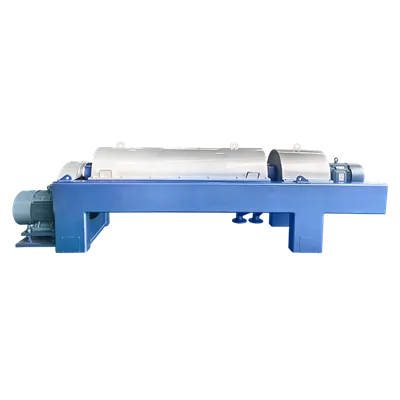
I get it—this isn’t a small purchase. Most of the facilities I work with aren’t buying one for a hobby; they’re replacing a failing unit to cut operational costs, meet local environmental discharge limits, or keep up with growing volume demands. Too many buyers jump straight to price tags without realizing there’s no one-size-fits-all number. A $25,000 unit for a small food processing plant won’t come close to handling the 100,000+ gallons of sludge a municipal wastewater plant generates every day. Let’s break down exactly what impacts cost, walk through real, common price ranges I see across different use cases, and share what smart buyers actually focus on when budgeting.
First, let’s get one thing straight: sludge centrifuges don’t work on a generic model. Every unit is engineered around two non-negotiables: the type of sludge you’re processing and your required dryness output. Sludge comes in two broad categories—primary/secondary municipal sludge and industrial sludge from food, pharma, or manufacturing—and each has different density, particle size, and consistency. You wouldn’t use a centrifuge built for fine food sludge on thick, oily industrial sludge, and vice versa. That mismatch is the number one reason people end up overpaying or underbuying.
Dryness is the other big driver. Dry cake from a centrifuge is what you haul off or dispose of, and the higher the dryness percentage, the less you pay in waste disposal fees. For municipal sludge, most facilities aim for 18-25% dry solids, but some need 30%+ for composting or beneficial reuse. For food processing sludge, 12-20% dry solids is standard, but certain cheese processing sludges might need a bit more. The tighter your required dryness, the more precise the centrifuge’s design has to be—and that adds to the cost.
Now, let’s talk about real numbers, not the inflated generic ones you’ll find on random supplier websites. I split most of my clients into three categories, and these are the price ranges we quote regularly, all based on standard units with basic controls (no fancy custom add-ons that double the cost):
Small, light-duty centrifuges: These are for small food & beverage operations, small municipal lift stations, or pilot testing. Think a 5-10 gpm (gallons per minute) processing capacity, built for low-volume sludge, usually with manual controls. These start around $22,000 and go up to $45,000. Last year, I sold a unit like this to a craft brewery in Ohio that was dealing with 2,000 gallons of sludge a week and couldn’t afford a huge industrial unit. It handled their waste perfectly, cut their disposal costs by 40% in six months, and fit their small floor space. Another example: a small municipal lift station in Indiana that needed a unit to dewater septic and domestic sludge before hauling—we put in a small light-duty unit for $32,000, and they’ve had zero downtime in two years.
Mid-range, general-purpose centrifuges: This is the most popular category, used by mid-sized municipalities (10,000 to 50,000 population equivalents), mid-sized food processors, and small pharmaceutical plants. These have capacities from 10 to 50 gpm, variable frequency drives (VFDs) for speed adjustment, and automatic controls, which means less manual labor for operators. Prices here start at $55,000 and go up to $120,000. Last quarter, I worked with a municipal wastewater plant in Tennessee that was expanding from 20,000 to 35,000 people, and their old unit couldn’t keep up. We quoted a mid-range unit with 30 gpm capacity, targeting 22% dry solids, for $85,000, and they bought it because it fit their 5-year budget plan, unlike a larger unit that would have stretched their capital too thin. Another client here: a mid-sized tomato processing plant in California that was struggling with high-volume, pulpy sludge. We customized a slightly larger mid-range unit with wear-resistant liners for the pulpy solids, and that bumped the price up to $110,000, but their disposal costs dropped by $12,000 a month, so payback was under a year.
Heavy-duty, industrial-grade centrifuges: For large municipalities (50,000+ population equivalents), major food manufacturers, pulp & paper mills, or chemical processing plants. These units have capacities over 50 gpm, often up to 200 gpm or more, made with heavy-duty stainless steel or even alloy steel for corrosive or abrasive sludge, advanced PLC controls, and features like automatic cake thickness monitoring. Prices here start at $130,000 and can go up to $350,000, depending on the specific requirements. Last year, I sold a unit like this to a pulp & paper mill in Wisconsin that was dealing with extremely abrasive wood pulp sludge that ate through liners on cheap units. We built a heavy-duty centrifuge with ceramic-liberating components, 180 gpm capacity, for $290,000. It’s been running 24/7 for 18 months, and their liner replacement costs are 70% lower than before. A large municipal plant in Texas also bought a heavy-duty unit last year for $180,000 to handle combined primary and secondary sludge, and it’s been hitting 24% dry solids consistently, cutting their annual disposal costs by over $200,000.
Wait, but before you jump to a number, there are hidden costs that almost no one mentions when giving a price. That $85,000 mid-range unit? It doesn’t include installation, which can be $5,000 to $20,000 depending on how hard it is to get the unit into your facility, hook up plumbing and power, and comply with local codes. Then there’s chemical cost—most centrifuges use polymer flocculants to help separate solids from water, and that can add $1,000 to $5,000 a month in operating costs, depending on your sludge type. Don’t forget maintenance: wearing parts like the centrifuge scroll or gaskets cost money, and how easy those parts are to access can affect labor time. Also, if you need custom modifications—like explosion-proof components for chemical facilities, or units that fit a tight floor plan—you can tack 10-30% onto the base price.
I’ve seen too many buyers make the mistake of picking the cheapest unit they can find, only to regret it a year later. Last year, a small municipal plant in Missouri bought a used unit from a random online seller for $15,000—way cheaper than our smallest unit. It worked for three months, then the scroll broke, and parts for that old model were impossible to find. They ended up spending $12,000 on repairs and had to haul sludge for two weeks at a cost of $8,000, so total cost before they replaced it was $35,000, more than a brand-new, reliable unit would have cost. That’s why I always tell people: the upfront cost is important, but total cost of ownership (TCO) is what matters. TCO includes purchase price, installation, maintenance, operating costs, and downtime. A slightly more expensive unit with lower maintenance costs and less downtime will almost always save you money long-term.
What factors should you weigh when deciding? First, calculate your sludge volume and required dryness. Do a quick audit: how many gallons of sludge do you process per day, and what’s your current dry solids percentage? That will narrow down the capacity you need. Second, think about your long-term goals. Are you expanding in the next 5 years? If so, it might be worth buying a slightly larger unit now instead of replacing it later, even if the upfront cost is a bit higher. Third, talk to a supplier who understands your specific industry. A supplier who works with municipal sludge won’t know the nuances of food processing sludge, and a bad match here leads to inefficiency and higher costs.
As a sludge centrifuge supplier, my goal isn’t to sell you the most expensive unit on the market—it’s to sell you the unit that fits your needs. I’ve spent years refining our line to cover every use case, from small craft breweries to large municipalities, so you don’t have to overpay for features you don’t need or underbuy and deal with constant headaches.
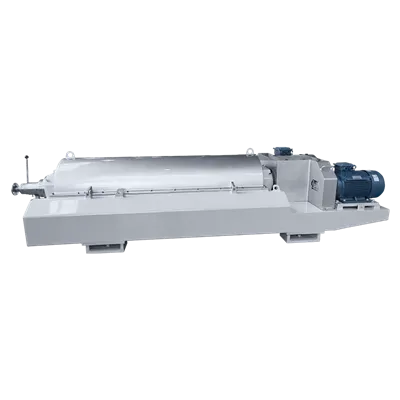
If you’re in the market for a sludge centrifuge and tired of generic price quotes that don’t match your operation, I’m here to help. We can walk through your specific sludge type, volume, and goals, give you a transparent, itemized quote, and even share case studies from similar facilities to show you exactly what you can expect. No hidden fees, no pushy sales tactics, just straight talk about what will work for you. Reach out to our team to schedule a no-obligation consultation to discuss your project.
2 Phase Decanter Centrifuge References
- Water Environment Federation. (2021). Sludge Dewatering Equipment Selection Guide. WEF Press.
- American Water Works Association. (2020). Operational Costs of Municipal Sludge Management. AWWA.
- National Sludge Association. (2022). Total Cost of Ownership for Sludge Dewatering Equipment. NSA Technical Report No. 17.
- Food and Agriculture Organization of the United Nations. (2019). Dewatering Technologies for Agri-Food Sludge. FAO Water Reports.
Lishui Yuanrong Environmental Protection Equipment Co., Ltd.
As one of the most professional sludge centrifuge manufacturers and suppliers in China, we have world-leading production equipment and strong manufacturing capabilities. Please feel free to buy customized sludge centrifuge from our factory. Also, quotation is available.
Address: Lot 6-1, Block 15, Wanyang Zongchuang City, Lishui, Zhejiang, China
E-mail: 361184920@qq.com
WebSite: https://www.yrhdc.com/
