Let me start this by saying something that I’ve learned working in the foil and embossed labels game for over a decade: most brands come to us excited about their new foil design—whether it’s a metallic logo for a craft beer can, a raised gold accent on a luxury skincare jar, or a holographic strip for a cosmetic label. They’ve spent hours perfecting the artwork, coordinating with their graphic designer, and finalizing the order quantity… and then they ask, “Wait, do I need to do anything special to store these foils after they arrive?” Foil / Embossed Labels
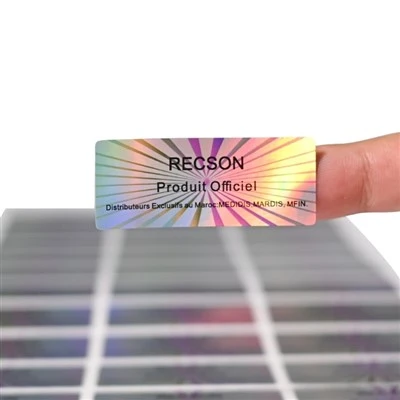
That question trips me up more than you’d think. People assume foil is just paper with a shiny coating—tough, durable, easy to handle. But here’s the thing: foil materials (both the thin metallic foil stock we print on and the finished embossed labels) are surprisingly finicky if not stored correctly. I’ve seen a client’s entire batch of custom embossed labels turn dull and warped because they left them in a damp garage for two weeks, and another brand’s foil mailer labels stick together so bad they have to be tossed. These aren’t just minor annoyances—they’re thousands of dollars wasted, not to mention missed deadlines for product launches.
Today, I want to break down exactly what you need to know about storing foil and embossed labels, from the raw foil stock we use to the finished labels that leave our facility. I’ll share real lessons we’ve learned with our own clients, the science behind why these storage rules matter, and what can go wrong if you skip them. Because at the end of the day, your labels are the first thing a customer sees—they need to look sharp, not dull, warped, or stuck.
First, let’s talk about the two main types of foil materials our team works with daily, because their storage needs are a little different. There’s the foil stock itself: that thin, flexible material that can be metallic foil (aluminum, polyester-based), holographic foil, or pearlescent foil, all of which have a clear adhesive backing usually. Then there’s the finished embossed labels, which have that raised, tactile texture from the embossing process—those little peaks and valleys that make your labels stand out from plain paper.
Let’s start with the environmental factors that affect all foil materials, because these are non-negotiable. The biggest culprits? Temperature and humidity. That’s not just industry jargon—there’s actual science here. Foil is a metal, right? Metals expand and contract with changes in temperature, more than plain paper or plastic would. If you store foil labels in a space that’s too hot—like a unshaded warehouse in the middle of summer, or a closet next to a space heater—the foil coating will expand. When it cools down, it contracts, and over time that causes stress on the bond between the foil and the adhesive, or even between the foil and the paper backing. You’ll end up with peeling edges, or that dull, matte “dead foil” look where the metallic shine is gone completely.
Humidity is even worse. Foil materials, especially embossed ones with that textured surface, absorb moisture easily. When humidity is high (we’re talking over 50%, which is common in places like basements, garages, or coastal areas), the moisture gets trapped in the tiny gaps in the foil coating or the embossed peaks. That leads to two big problems: first, the adhesive on the back of the labels breaks down. You’ll get labels that stick together like glue, or lose their stickiness entirely when you go to apply them. Second, the embossed texture can warp. The raised areas absorb more moisture than the flat parts, so they swell at different rates, leading to uneven embossing—something that’s impossible to fix once it’s done. I remember a craft brand in Portland that stored their holiday foil labels in their un-air-conditioned storage shed; by December, half the batch had embossed texture that was lumpy and uneven, and the adhesive was so bad they couldn’t apply them to their candle jars. We ended up reprinting the entire order, and we passed along a lot of these storage tips to them after that.
So what’s the ideal temperature and humidity range for foil materials? From our experience and the testing we do for bulk orders, it’s 60 to 75 degrees Fahrenheit, and 30 to 50% relative humidity. That’s the same range most office buildings use, which isn’t a coincidence—this is the sweet spot that keeps foil stable, adhesive intact, and embossing sharp. If you don’t have climate-controlled space (and we know small brands often don’t), there are simple workarounds. A dehumidifier is a game-changer for high-humidity areas, and a small thermometer/hygrometer (they cost $20 or less online) will let you check your space easily.
Next, how you store the materials physically, not just the environment. This is another area where small mistakes lead to big issues. Let’s start with unprocessed foil stock—the big rolls of foil we use to print and emboss your labels. When these rolls leave our facility, they’re tightly wrapped in plastic and cardboard cores, but you need to store them upright, not laying flat. If you lay a foil roll on its side for weeks or months, the weight of the roll will cause the foil to crease or develop a “set” in the shape of the roll. When you go to print labels from it, those creases will show up as lines on your finished labels, or even cause the foil to tear during the printing process. We had a client a few years ago who stored their foil rolls under a workbench on their shop floor, and the weight of other boxes on top left deep creases in three rolls. They had to pay for reprinting, which could have been avoided if they just stored the rolls upright on a sturdy shelf.
For finished embossed labels, it’s even trickier because of their texture. You can’t just stack them on top of each other in a regular box, right? Wait, actually, you can—but only if you do it right. When labels are stacked, you need to make sure they’re not being pressed down too hard. If you stack heavy boxes on top of your labeled labels, the embossed texture will flatten. Those little peaks that make your label look premium will be gone, leaving you with a flat, dull finish. We recommend storing finished labels in the original boxes we send them in—we design our shipping boxes to have just the right amount of space, so you don’t have to stack them too high, and the boxes are sturdy enough to hold their shape. If you have to transfer them to another container, use shallow boxes, no more than 2 or 3 inches deep, so the weight of the stack doesn’t crush the embossing. Also, never leave labels loose on a shelf—they can get dust on them, and dust mixed with moisture will scratch the foil coating, ruining the shine.
Another big no-no: storing foil labels near chemicals or direct sunlight. Sunlight, especially UV rays, will fade metallic foil over time. Gold foil will turn dull, silver foil will take on a yellowish tint, and holographic foil will lose its shimmer within a few months if left in direct light. We once worked with a cosmetics brand that left a sample of their new foil foundation labels on a store window display for a week to test in-store lighting—when they brought them back to us to produce the full order, the sample was already faded, and we had to adjust the formula to use UV-stabilized foil to make the bulk order last. That’s an important point: if your labels are going to be displayed in a store or near windows, make sure you use UV-resistant foil stock, and even then, store any unused labels away from light.
Chemicals are another hidden threat. If you store foil labels near cleaning supplies, paint, pesticides, or even some glues, the fumes can react with the foil coating. We’ve seen labels that were stored near a woodworking shop’s stain fumes develop a cloudy film over the foil, making them look foggy instead of shiny. So keep your storage area away from any harsh chemicals, and if you’re storing labels in a space that’s been painted recently, wait a few weeks for the paint fumes to dissipate before putting labels there.
Wait, what about different types of foil? I should mention that not all foil is the same, so storage requirements can vary a little. For example, aluminum foil (the standard metallic foil) is more resistant to heat than polyester-based foil, which is often used for holographic or pearlescent finishes. Polyester foil is more flexible but more prone to stretching in high heat, so you’ll want to keep the temperature a little lower for that type. Embossed labels with glossy foil have a smoother surface than matte foil, so they’re a little less likely to hold dust, but they’re still more sensitive to moisture because the embossed texture traps it. Holographic foil is especially sensitive to UV light, so those labels need to be stored in dark spaces if you want them to stay bright over time.
Let’s also talk about common mistakes that even experienced brands make. One I see all the time is using plastic bags to store labels. People think plastic keeps moisture out, but if the plastic isn’t breathable, it traps any existing moisture in the air. That leads to mold growing on the adhesive, or labels sticking together. Instead, use paper bags or breathable plastic containers with small holes punched in them, so air can circulate. Another mistake is handling labels with bare hands. The oils from your skin can leave marks on the foil surface, and if those oils get on the adhesive, they can break it down and make the labels not stick. Always handle labels by the edges, and if you have to move a big batch, wear cotton gloves.
I know this sounds like a lot of rules, but the good news is that these are all simple, easy steps that don’t cost a lot of money. Let me give you a quick example of what a proper storage setup looks like for a small to medium brand: a sturdy metal shelf in a corner of your office or warehouse, a small hygrometer to keep track of temperature and humidity (aim for 65 degrees and 40% humidity, the sweet spot), the original boxes your labels or foil rolls came in, and a small dehumidifier for humid months. That’s it—no fancy climate-controlled unit, just a little planning.
At our foil and embossed labels facility, we test all these storage conditions ourselves. We have a small storage area that mimics real-world conditions, and we run tests on batches of labels left in different environments for 3, 6, and 12 months. This isn’t just guesswork—this is data that comes from years of working with brands across every industry, from craft food and beverage to luxury beauty to retail packaging. We know what works because we’ve seen what happens when it doesn’t, and we want our clients to avoid those headaches.
If you’re a brand that’s ordering foil or embossed labels soon, here’s a quick checklist to keep your labels looking perfect from our team:
- Accept your delivery and put the labels away within 48 hours—don’t leave them on your loading dock or porch in the elements.
- Check your storage space’s temperature and humidity within the first week of receiving your order.
- Store finished labels in their original boxes, stacked no more than 5 boxes high to avoid crushing embossing.
- Keep foil rolls upright, not laying flat, on a sturdy shelf.
- Avoid direct sunlight, harsh chemicals, and bare hand contact with the foil surface.
- If you have leftover labels for future orders, follow the same rules—we can test leftover stock for you if you’re unsure, but these steps work 99% of the time.
At the end of the day, your labels are a representation of your brand. A dull, warped, or sticky foil label doesn’t just look unprofessional—it tells customers that your product might not be high quality either. We take pride in creating foil and embossed labels that make brands stand out, but that work means nothing if those labels get ruined before they even reach the store shelf. That’s why we share these storage tips as part of our service—we don’t just deliver a batch of labels and disappear. We want them to look as good a year from now as they do the day they leave our facility.
If you’re getting ready to order foil or embossed labels, or you have a batch that’s sitting in storage that you’re worried about, don’t hesitate to reach out. Our team can walk you through the right storage setup for your space, answer any questions you have about different foil types, and help you make sure your labels are perfect for your next launch.
Pharmaceutical & Health Labels References:
- Packaging Association. "Storage Conditions for Flexible Packaging Materials." 2021.
- Label and Narrow Web Technical Council. "Best Practices for Foil Label Storage and Handling." 2019.
- Journal of Applied Packaging Research. "Effect of Humidity and Temperature on Metallic Foil Adhesion." 2018.
SpeedPrint Era (Xiamen) Digital Co., Ltd.
SpeedPrint Era (Xiamen) Digital Co., Ltd. is one of the most professional foil / embossed labels manufacturers and suppliers in China, featured by quality products and low price. Please rest assured to wholesale advanced foil / embossed labels made in China here and get quotation from our factory. We also accept customized orders.
Address: Floor 1, No. 27, Xianghong Road, Xiang’an District, 361101, Xiamen, Fujian, China
E-mail: hxmacka@gmail.com
WebSite: https://www.lumolabels.com/
