Hey everyone, let’s cut to the chase—if you’ve ever dealt with a wonky neck, whether from a bad car accident, a sport mishap, or even just hunching over your laptop for 12 hours straight, you’ve probably wondered about one thing: neck braces. You might’ve seen them in movies, had a doctor suggest one, or even googled “do neck braces cause more harm than good?” Because let’s be real—you don’t wanna wear something that fixes one problem but creates another, right? As a neck brace supplier who’s worked with patients, physical therapists, and even athletes for years, I get this question all the time. So let’s break down the real deal on neck brace side effects—no clickbait, no overcomplicated science, just what actually happens when you strap one on. Neck Brace
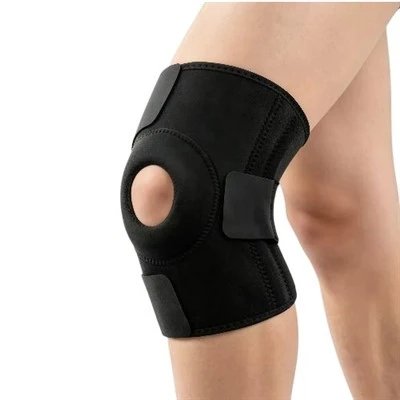
First off, let’s set the basics: neck braces (also called cervical collars, if you’re into the fancy term) aren’t one-size-fits-all. There’s the soft, foam kind you might wear after a minor strain, the rigid, plastic-hard ones for spines that need extra support, and even the lightweight ones for post-surgery recovery. The side effects? They’re super dependent on what kind you’re wearing, how long you wear it, and why you’re wearing it. I see people mix up these types all the time—someone with a stiff neck from working from home might grab a heavy rigid collar meant for a neck fracture, and that’s where problems start.
Let’s start with the most common mild side effect that almost no one talks about: skin irritation and pressure sores. Yeah, that thing where the back of your neck smells like a closed gym locker and you get red patches? That’s not just “sweat”—it’s friction and constant pressure. I worked with a teenager last year who wore a rigid brace after a skateboard crash, and within two weeks he had a raw, painful spot right where the collar pressed on his spine. Why? Rigid collars don’t have that give, and even soft foam ones can chafe if they’re too tight or not cleaned. The trick here is making sure it’s fitted right—if you can’t slide a finger between the collar and your neck when it’s fastened, that’s too tight. Cleaning it every day with mild soap and water? Non-negotiable. I always tell customers to keep a spare soft cover too—sweaty collars are just begging for irritation.
Next up, something that surprised even me early on: muscle weakness. Think about it—your neck has tiny, hardworking muscles that hold your head up, right? If you wear a brace for weeks at a time, those muscles stop having to work as hard. It’s like skipping leg day for a month and suddenly not being able to lift a heavy box. A physical therapist I partner with told me about a 50-year-old guy who wore a soft collar for a whiplash injury—he stopped taking it off even when he was watching TV, and after six weeks his neck felt even wobblier than before. He had to do extra exercises to rebuild those muscles. Now, I always emphasize to every customer: neck braces aren’t supposed to be worn 24/7 unless a doctor specifically says so. Even for a fracture, you only wear the rigid one when you’re moving around—you take it off to sleep, shower, and do gentle neck stretches. That muscle weakening isn’t inevitable, but it’s way more common than people think.
Wait, what about balance issues? That’s another big one I hear about. I had an older customer a while back who wore a neck collar after a fall, and she kept complaining she felt unsteady on her feet, like she was gonna trip. Turned out the brace was shifting her center of gravity just a little—your head is heavy, right? A collar props it up slightly, so your body has to readjust how it balances. For some people, that takes a few days to get used to, but if it’s going on longer than that, the fit is probably off. A common mistake is people buying a generic collar online instead of getting measured—generic sizes never sit right, and they mess with your balance way more than custom-fitted ones.
Now, let’s get into the more serious stuff—side effects that pop up when you misuse a neck brace. Let’s talk about nerve compression. If a collar is too tight, especially the rigid kind, it can press on the nerves in your neck, causing tingling in your arms, numbness, even weird headaches. I remember a delivery driver who bought a cheap neck brace to fix his long-haul neck pain, and he started getting pins and needles in his left hand. We measured his neck, sent him a properly fitted soft collar, and the tingling went away in three days. Cheap, non-custom braces are the worst for this—they’re made for a average neck, not your actual neck, so they rub the wrong places.
Then there’s the elephant in the room: psychological effects. I’m not a therapist, but I’ve seen it enough to know it’s real. People who wear neck braces for a long time can feel self-conscious, isolated, or even depressed. A lot of my younger customers hate going to school or practice with a bulky collar, and that stress can make pain feel worse. I always make sure to mention this when I talk to anyone looking for a brace—there are discreet options now, like slim, lightweight collars that almost no one can tell you’re wearing. It’s not just about physical fit; it’s about making someone feel comfortable enough to actually wear it, which makes the whole recovery process way smoother.
Wait, but hold on—let’s not paint all neck braces as bad. There are definitely times when they’re lifesavers. I worked with a woman after a car accident who had a minor cervical spine sprain—without the rigid brace, moving her even an inch made her scream. After six weeks, she took it off, did her exercises, and got back to hiking. The key is using them as directed, not as a permanent fix. A lot of the side effects I see aren’t from the brace itself—they’re from people wearing it too long, wearing the wrong kind, or buying a cheap, ill-fitting one.
Let’s also clear up a myth I see all over social media: wearing a neck brace for “tech neck” (that pain from staring at your phone or laptop) is a good idea. Wait, no—soft collars for minor strain can help a little, but they’re not a long-term fix. If you’re wearing one every day just because your neck hurts from scrolling, you’re probably going to develop muscle weakness, not fix the root problem (which is bad posture). I always tell people with tech neck to do neck stretches, adjust their desk chair, take breaks every 20 minutes—not strap on a collar. That’s a misuse that leads to side effects, not the actual purpose of a neck brace.
Now, let’s talk about how to avoid these side effects, because that’s what you actually care about, right? First and foremost: get a doctor’s or physical therapist’s okay before buying a neck brace. They’ll tell you what kind you need, how long to wear it, and when to take it off. Second, get fitted properly. If you’re buying from a reputable supplier (hi, that’s me), we’ll ask for your neck measurements, send you a cover, and check if the fit is right. No generic junk—custom or semi-custom collars make all the difference. Third, stick to the wear schedule. If your doctor says wear it only when you’re walking around, don’t sleep in it. Fourth, clean it regularly—sweat and dead skin build up fast, so wipe it down every day with a little soap and water.
I’ve been in this business for 8 years, and the number one thing I’ve learned is that neck braces aren’t scary or bad—they’re just tools. A hammer can build a house or hurt someone if you use it wrong, same with a neck brace. I’ve seen people come in convinced their neck brace is gonna ruin their neck forever, and after getting a proper fit and following the rules, they go back to their normal lives without any issues. The side effects are real, but they’re totally preventable if you do it right.
Wait, let’s wrap this up so it’s not all doom and gloom. Let’s say you’re someone who just got in an accident, or your doctor suggested a neck brace for recovery. Don’t stress about the side effects—just make sure you’re getting the right one, wearing it as directed, and checking in with your PT or doctor regularly. If you’re shopping around for a neck brace, skip the random stuff online from no-name brands. Come talk to us—we don’t just sell collars, we help people figure out what they actually need, how to fit it right, and how to avoid all that annoying side stuff.
If you have questions, want to chat about different types, or need help finding the right fit, hit us up. We’re here for you, no pressure, no confusing jargon.
Knee Immobilizer Series References:
- American Academy of Orthopaedic Surgeons. (2022). Cervical Collar Use and Complications.
- Journal of Orthopaedic & Sports Physical Therapy. (2021). Adverse Effects of Prolonged Cervical Immobilization.
- National Institute for Occupational Safety and Health. (2020). Work-Related Neck Pain and Interventions Including Cervical Supports.
- American College of Sports Medicine. (2023). Return to Activity After Cervical Injury: Avoiding Muscle Atrophy.
Hebei Maidike Medical Equipment Co., Ltd.
Hebei Maidike Medical Equipment Co., Ltd. is one of the most professional neck brace manufacturers and suppliers in China, also supports customized service. We warmly welcome you to wholesale bulk durable neck brace in stock here from our factory. Contact us for free sample.
Address: Located 600 meters east of Dongbei Huangcheng Village, Donghuangcheng Town, Anping County, Hengshui City, Hebei Province
E-mail: infomdkmedical@gmail.com
WebSite: https://www.hebeimdk.com/
