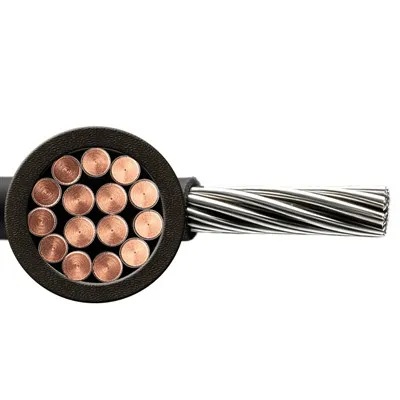
Hey there! I’m a supplier of low – voltage power cables, and I often get asked about the standards for low – voltage power cables in different countries. It’s a pretty important topic, especially if you’re in the business of buying or selling these cables. So, let’s dive right in and explore what these standards are all about. Power Cable Low Voltage
United States
In the United States, the National Electrical Code (NEC) sets the standards for electrical installations, including low – voltage power cables. The NEC is updated every three years, and it’s widely adopted across the country. For low – voltage cables, the NEC specifies requirements for things like cable construction, insulation materials, and ampacity (the maximum amount of electrical current a cable can carry safely).
For example, Type NM – B cables are commonly used for residential wiring. They are non – metallic sheathed cables with a thermoplastic insulation. The NEC dictates how these cables should be installed, such as the maximum distance between supports and how they should be protected from physical damage.
Another important standard – setting organization in the US is Underwriters Laboratories (UL). UL tests and certifies cables to ensure they meet safety and performance standards. When a cable has the UL label, it means it has passed a series of rigorous tests. For instance, UL 1063 is the standard for power limited tray cables, which are used in low – voltage applications in commercial and industrial settings.
European Union
The European Union has its own set of standards for low – voltage power cables, mainly through the International Electrotechnical Commission (IEC) and the European Committee for Electrotechnical Standardization (CENELEC).
IEC standards are internationally recognized, and many European countries base their national standards on them. For low – voltage cables, IEC 60227 covers PVC insulated cables, and IEC 60502 is for power cables with extruded insulation. These standards cover aspects like cable dimensions, electrical performance, and environmental resistance.
CENELEC standards are more focused on the European market. For example, HD 60364 is the European standard for electrical installations in buildings, which also includes requirements for low – voltage cables. In the EU, there’s also a lot of emphasis on environmental regulations. For example, the Restriction of Hazardous Substances (RoHS) directive restricts the use of certain hazardous materials in electrical and electronic equipment, including cables. This means that cables sold in the EU must be free from substances like lead, mercury, and cadmium.
China
China has its own national standards for low – voltage power cables, which are overseen by the Standardization Administration of China (SAC). The main standards for low – voltage cables in China are GB/T series. For example, GB/T 5023 is the standard for PVC insulated cables, and GB/T 12706 is for power cables with cross – linked polyethylene insulation.
These standards define the technical requirements, test methods, and inspection rules for low – voltage cables. They also take into account China’s specific environmental and usage conditions. For instance, in some areas of China with high humidity, the cables need to have better moisture – resistance properties, and the standards will reflect this need.
Japan
In Japan, the Japanese Industrial Standards (JIS) set the requirements for low – voltage power cables. JIS standards cover a wide range of aspects, from cable design to performance testing. For example, JIS C 3306 is the standard for PVC insulated cables, and JIS C 3309 is for cross – linked polyethylene insulated cables.
Japanese standards also pay attention to safety and reliability. Japan is a country prone to earthquakes, so the cables need to be able to withstand seismic activities. The standards may include requirements for cable flexibility and resistance to mechanical stress during earthquakes.
Australia
Australia has its own set of standards for electrical installations and cables, mainly through Standards Australia. The AS/NZS 3000 standard, also known as the "Wiring Rules," covers electrical installations in buildings, including low – voltage power cables.
This standard specifies requirements for cable selection, installation methods, and safety. For example, it dictates how cables should be installed in areas with different environmental conditions, such as wet areas or areas with high temperatures. Australia also has standards for cable fire performance. Since bushfires are a significant concern in the country, cables need to be able to resist fire spread and produce minimal smoke.
Why These Standards Matter
As a low – voltage power cable supplier, I can tell you that these standards are crucial for several reasons. First of all, they ensure the safety of the end – users. When cables meet the standards, they are less likely to cause electrical fires, short circuits, or other hazards.
Secondly, standards help in quality control. By following the standards, we can produce cables with consistent quality. This means that our customers can rely on the cables we supply to perform as expected.
Thirdly, compliance with standards is often a legal requirement. In many countries, if you install or sell non – compliant cables, you could face fines or other penalties. This is why it’s so important for us as suppliers to make sure our cables meet the relevant standards in different markets.
Challenges Faced in Meeting Different Standards
Meeting different national and international standards can be a real challenge. For one thing, the standards can vary quite a bit from one country to another. For example, the insulation thickness requirements might be different in the US compared to China. This means we need to adjust our manufacturing processes accordingly.
Another challenge is keeping up with the updates to the standards. As I mentioned earlier, the NEC in the US is updated every three years, and other standards also change over time. We need to stay on top of these changes to ensure our cables remain compliant.
Cost is also a factor. Meeting some of the more stringent standards, especially those related to environmental protection or fire performance, can increase the production cost. This can make our products more expensive, which might be a concern for some customers.
How We Overcome These Challenges
To deal with the differences in standards, we have a team of experts who are well – versed in the various national and international standards. They work closely with our R & D department to develop cables that can meet multiple standards. For example, we might design a cable that can meet both the IEC standards for the European market and the NEC standards for the US market.
To keep up with the standard updates, we subscribe to industry newsletters and participate in relevant conferences. This way, we can get the latest information about any changes to the standards as soon as possible.
As for the cost issue, we try to find a balance between meeting the standards and keeping the cost reasonable. We invest in research to find more cost – effective materials and manufacturing processes that can still meet the required standards.
Contact Us for Your Low – Voltage Power Cable Needs
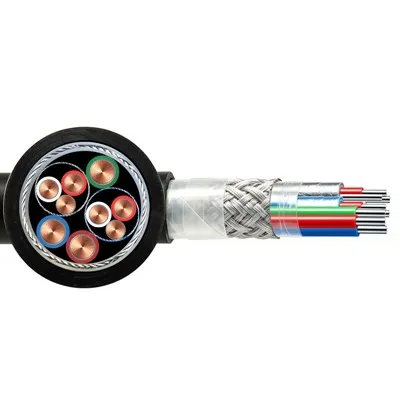
If you’re in the market for low – voltage power cables, I’d love to talk to you. Whether you’re in the United States, Europe, Asia, or anywhere else in the world, we can supply you with high – quality cables that meet the relevant standards. We have a wide range of products, from PVC insulated cables to cross – linked polyethylene insulated cables.
Power Cable Low Voltage We understand that every customer has unique requirements, and we’re committed to providing customized solutions. So, if you have specific needs for your project, just let us know, and we’ll do our best to meet them. Don’t hesitate to reach out to us for a quote or to discuss your cable requirements. We’re here to make sure you get the best cables for your money.
References
- National Fire Protection Association. National Electrical Code (NEC).
- International Electrotechnical Commission. IEC Standards for Cables.
- Standardization Administration of China. GB/T Series Standards.
- Japanese Industrial Standards Committee. JIS Standards.
- Standards Australia. AS/NZS 3000 Wiring Rules.
Yangzhou Huayu Cable Co., Ltd.
Yangzhou Huayu Cable Co., Ltd. is one of the most professional power cable low voltage manufacturers and suppliers in China, also supports customized service with low price. Please feel free to wholesale advanced power cable low voltage made in China here from our factory. Contact us for pricelist.
Address: No. 9 Jingang Road, Yangzhou City, Jiangsu Province, China
E-mail: huayucableco@126.com
WebSite: https://www.huayucabletech.com/
