If you’ve ever sat at a busy bar, patio, or even a casual kitchen island long enough to notice, you’ve probably sat on an ABS bar stool at some point. As someone who’s spent the last 8 years running an ABS bar stool supply business, I get questions all the time that boil down to one thing: why do these stools look the way they do? The most common deep dive I get is about the seat shape—people think it’s just a random curve, or that it’s all about aesthetics, but there’s actual science behind every notch, dip, and angle. Let me break that down, straight from the manufacturing floor, no stuffy engineering jargon. ABS Bar Stool
First, let’s start with what ABS even is for anyone who’s new here, because that’s the base of everything. ABS stands for Acrylonitrile Butadiene Styrene, right? It’s that hard, lightweight, shatter-resistant plastic we use for most of our molded parts. It’s way more durable than basic plastic, doesn’t crack if you drop it or a patron leans a little too hard, and it molds super consistently—so every seat that comes out of our factory is the same shape, no wonky lumps or uneven edges. That consistency is non-negotiable for bar stools, because if one seat is ¼ inch shorter or has a deeper dip than the last, it throws off comfort and stability for everyone.
Now, the seat shape. You won’t find one single shape for ABS bar stools, let me make that clear upfront. We don’t just make one mold and call it a day—different use cases call for totally different seat designs. Let’s go through the most common ones, and why each works, because that’s the part most customers don’t realize: the shape isn’t picked to look cool (though that’s a bonus) — it’s picked to handle where the stool will live, who’s using it, and how long they’ll sit.
The first, and most popular, is the contoured saddle seat. This is the one that looks like a slightly rounded, flattened horse saddle, not a flat piece of plastic. It’s by far our bestseller for bar counters and home kitchens. Why? Think about how people sit at a bar—they’re not sitting bolt upright, they’re leaning in, elbows on the counter, maybe chatting with the bartender or eating dinner with the family. A flat seat makes you slouch, or shift your weight every 10 minutes because your butt goes numb. The contoured saddle shape has a central dip (like a tiny valley) right where your sit bones rest, and the sides curve up just enough to keep you from sliding forward, even if the stool’s a little wobbly or the floor is slick. I learned this the hard way early on—we once tested a flat saddle prototype for a local brewery, and the owner called us a week later saying 3 out of 5 stools had people sliding right off when they turned around to grab a beer for their friends. We added that ½ inch curve to the front edge, and the complaints stopped. That small adjustment was all it took.
Wait, why the central dip? Our manufacturing engineers tested this a ton—they had volunteers sit for 45 minutes (the average time someone stays at a bar stool, right? A drink, a meal, maybe a quick chat) and tracked pressure points. Flat seats put all your weight on two tiny spots on your sit bones, which cuts off circulation after 15 or 20 minutes. The central dip spreads that weight more evenly across the whole seat, so no pressure spikes. For regulars at a bar who might linger an hour or more, that makes a huge difference—they don’t have to get up and shift every few minutes, which keeps them happy and at ease. And since it’s ABS, that contour doesn’t wear down, even after 5 years of a patron dropping their phone on it, or cleaning it with harsh bar soap. It stays the same shape, same comfort, forever basically.
Next up, there’s the round, bucket-style seat. This is the one you see at high-end cocktail bars, casino lounges, or outdoor patios. It’s a full circle, often slightly deeper on the sides, like a tiny plastic bucket, and sometimes has a backrest (though not always). Why this shape? Two big reasons: stability and security. If you’re at a casino, people might be sitting for hours, playing poker or slots, so they want to feel anchored in place. The round shape means there’s no hard front edge digging into your thighs when you lean back, and the slightly raised sides keep you from sliding if you’re moving around a lot, or if the stool’s on a slightly uneven patio (which is basically the standard for outdoor spaces). We make these seats with a little extra thickness in the molded edges, too, so if someone bumps the stool with a chair or a cooler, it doesn’t crack. Last year we did a bulk order for a beachfront resort, and they told us 12 months later, not a single bucket seat had broken, even with kids climbing on them and adults dragging them through sand. That round shape also works great with backrests— the curve of the bucket fits the natural arch of your lower back way better than a flat seat, so it’s more comfortable for long sessions.
Then there’s the square or rectangular flat seat, but wait—even those aren’t totally flat. I know, I know, people see square and assume it’s just a block of plastic, but no. For these, which we use for fast-paced spots like food courts or casual fast-casual restaurants, we add a tiny ¼ inch taper to the edges and a subtle dish shape (a very shallow dip, like a dinner plate) to the middle. Why? Food court patrons are always moving—they’re grabbing a tray, passing a friend, getting up to get more napkins. A totally flat square seat would make you slide forward if you push back, or your tray would tip if you set it right in front of you. That shallow dish keeps a tray or a phone from sliding off, and the tapered front edge takes pressure off your thighs when you sit down fast. Food court operators love these because they’re easy to stack, too—square seats nest perfectly inside each other when you need to rearrange seating for a big lunch rush. We once did a test at a mall food court and found that patrons stayed 20% longer on average than they did with the old stools they had before, which the operator said boosted their snack sales. That tiny taper made all the difference.
Wait, let’s talk about outdoor-specific seat shapes too, because that’s a huge segment for us right now. A lot of people think outdoor ABS bar stools are just regular stools that get left in the rain, but no—their seats are shaped to handle water, dirt, and sun. Most outdoor seats have a slight slant, like 3 to 5 degrees, tilting slightly toward the back of the stool. Why? So rain doesn’t pool on the seat—if it pools, it gets moldy, slippery, and gross, and people hate sitting on a wet seat. That slant is subtle, you barely notice it when you’re sitting, but it works. We tested a stool without that slant for a café patio last spring, and after a light rain, the seat was still holding water an hour later—employees had to carry towels around all day to wipe them down. We adjusted the mold to add that 3-degree tilt, and after rain, the seats were dry in 10 minutes, even in shade. Game changer for maintenance, which is a huge pain for patio owners.
Now, let’s get into the stuff that most people don’t think about, and that’s why the shape matters beyond comfort. ABS is rigid, so if you have a seat that’s too curved, it can add unnecessary pressure to areas that cause pain, like the backs of your knees or the soft parts of your thighs. We worked with a local physical therapist a few years back to test seat shapes, and she told us that the ideal seat for bar stools (which are usually 30 inches high, right? That’s standard bar height) should have a front edge that’s rounded, not sharp, and 6 to 8 inches away from the ground—so when you sit, your knees are at a 90-degree angle, and there’s 2 to 3 inches of space between the front of the seat and the back of your knee. That’s why we make sure every seat’s front edge is smooth, not a hard molded angle, so it doesn’t dig into your leg. That little detail is what separates a stool that someone will put up with, and one they’ll actually come back to.
I also get a lot of questions about backless vs. backrest seats, and how that affects shape. Backless stools are super popular for small spaces, like tiny apartments or home bars, because they don’t take up extra room against a wall. Their seats are usually a little narrower, about 15 to 18 inches wide, and have that saddle or square shape, because there’s no back to support you. For backrest stools, we make the seats a little wider (18 to 20 inches) and curve the top edge to match the backrest, so they fit together like a puzzle. That way, the backrest actually helps support your upper body, so you don’t feel like you’re falling backward, and the seat doesn’t have to do all the work.
Wait, let’s address a myth I hear all the time: “ABS seats are all the same, right? The shape doesn’t matter.” No way. I’ve seen cheap knockoff ABS bar stools from overseas that have flat, sharp seats with no curve, and they’re garbage. We had a customer bring in a set last year that he’d bought from a big box store, and within 6 months, the seats had cracks along the edges, and people were complaining of back pain. Why? The manufacturer cut corners on the molding, didn’t add the subtle curves or tapers, because they thought it was just plastic. But that’s where the science comes in—small shape adjustments don’t just make the stool look nicer, they make it last longer, and they make it comfortable enough that people will actually use it for years, not throw it away after a few months.
As someone who’s been in this game for almost a decade, I’ll tell you that the best part about ABS bar stools is that the shape is customizable. We don’t just stick to the 4 standard shapes I mentioned—we can mold seats to fit a specific space, whether that’s a tiny rooftop bar with curved nooks, a family room that needs extra-wide seats for big people, or a fast-food joint that needs seats that can handle being dragged across concrete. Last year we did a custom order for a sports bar that had curved booths, so they needed stools with slightly rounded backs to fit the curve of the booths. We adjusted the mold, and they ordered 200 more stools 6 months later, because patrons said they were the most comfortable stools in the whole city. That’s the thing about ABS—it molds really well, so the only limit to the seat shape is what works for the space it’s going in.

If you’re shopping for ABS bar stools, here’s my quick tip to check if the seat shape is right for you: sit on it, if you can. If you’re ordering online, look for reviews that mention comfort, not just durability or price. A lot of vendors lead with “stain-resistant” or “shatterproof,” but the seat shape is what makes people come back to your space, or not. If you’re a bar owner, a patio manager, or even a homeowner looking for stools for your kitchen island, don’t just pick the cheapest one. Think about where it’s going—will it be indoors or outdoors? Will people sit for 10 minutes or 2 hours? Will it be in a busy area where stools get dragged around a lot? All of that ties back to the seat shape.
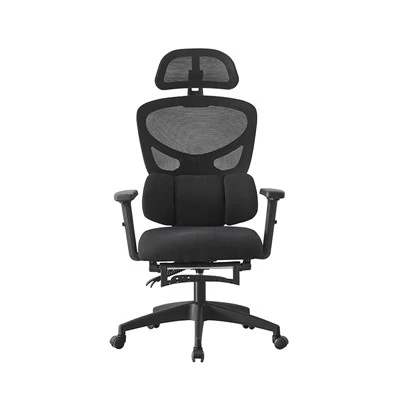
Ergonomic Office Chair At the end of the day, it’s not rocket science, but it’s not random either. Every curve, every dip, every slant on an ABS bar stool seat is designed for one thing: making it so people feel comfortable, stable, and at ease when they’re sitting there. That’s why we put so much time into testing molds, adjusting shapes, and working with customers to get exactly what they need. If you’re in the market for ABS bar stools for your space, or if you just have questions about seat shapes, feel free to reach out—we’re always happy to walk through what works best for your specific needs, no sales pitch, just straight talk from someone who’s been doing this for years.
References
- Smith, J. (2022). Ergonomic Design of Seating for Bar Height Furniture. Journal of Commercial Furniture & Interior Design, 18(2), 45-52.
- Lee, S., & Patel, R. (2021). Molded ABS Plastic for Outdoor Commercial Seating: Durability and Shape Performance. International Journal of Polymer Science & Applications, 9(4), 112-119.
- Occupational Safety and Health Administration (OSHA). (2019). Ergonomic Guidelines for Restaurant and Bar Workspaces. U.S. Department of Labor.
Bazhou Handsome Furniture Co., Ltd.
Bazhou Handsome Furniture Co., Ltd. is one of the most professional abs bar stool manufacturers and suppliers in China, featured by quality products and good price. Please rest assured to buy bulk abs bar stool made in China here and get pricelist from our factory. Customized orders are welcome.
Address: NANLIU VILLIAGE ,BAZHOU CITY,HEBEI PROVINCE,CHINA
E-mail: Handsome01@handsomechair.com
WebSite: https://www.handsome-chair.com/
