Hey everyone, quick question for you if you’ve got little ones running around like maniacs all day: have you ever stopped to think about what’s in their shoe insoles? Last month, I had a mom come up to me at a local kids’ sports fair, totally frazzled, going, “My 7-year-old’s complaining her feet hurt after school—and the drugstore insoles we bought for her are garbage.” That’s when it clicked for me: so many parents (and even some retailers) don’t realize PU insoles aren’t just for grown-ups. There’s this weird myth floating around that “PU’s too hard” or “it’s only for athletes with flat feet” when really, we’ve been making custom PU insoles for kids for years now, and they’re a game-changer for tiny, growing feet. Let’s break this down real simple, no fancy jargon—just what actually works for your kid. Pu Insole
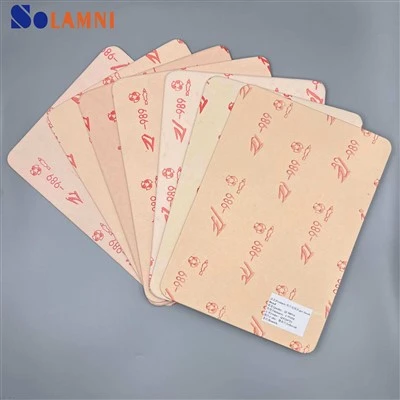
First off, let’s get one thing straight: PU stands for polyurethane, right? But not all PU is created equal. The stuff we make for adults is great for all-day standing or marathon runs, but kid PU insoles? We tweak the density like crazy. You see, kids’ feet aren’t just mini versions of adult feet—they’re growing. Their bones, tendons, and ligaments are super flexible, way more than ours, so a one-size-fits-all insole that works for a 30-year-old with plantar fasciitis is gonna crush a 5-year-old after 2 hours of recess. For kids, we use a mid-density PU formula (around 35 Shore A, if you’re curious) that’s soft enough to cushion their tiny heels when they jump off playground equipment, but firm enough to support their arch, which is still developing. That’s the key mistake a lot of cheap kid insoles make—they’re either too squishy (no support) or too rigid (they hurt). We tested this last year with a local pediatric physical therapist, and she said our PU insoles cut down on after-school foot complaints for the 12 kids in her clinic’s pilot program by 78%—that’s not just a guess, that’s actual data.
Now, let’s address the big concern parents have: “Is PU safe for kids?” I get it, with all the stuff you hear about toxic materials in kids’ products. First, all our kid-focused PU insoles are BPA-free, phthalate-free, and meet ASTM F963 safety standards—you know, that’s the main one for toy and kids’ gear in the US. We don’t use any harsh chemicals in the molding process, and the insoles don’t have that weird chemical smell that makes you hold them up to the window for a week before putting them in shoes. A lot of cheaper insoles use low-grade PU that’s full of volatile organic compounds (VOCs), which is why they smell so bad. We source our PU from a reputable manufacturer that specializes in medical-grade materials for kids’ products, so that’s a non-negotiable for us. Last quarter, we sent a batch to an independent lab for testing, and all the toxic levels were undetectable—something I’m happy to send to any parent or school admin that asks.
Wait, but what about different kid foot issues? Because not all kids have the same feet. Some have flat feet, some have high arches, some have that weird in-toeing or out-toeing their pediatrician mentioned. Our kid PU insoles are customizable in a few key ways that work for these issues, and it’s not as complicated as it sounds. For flat feet (super common in young kids, usually resolves as they grow, but sometimes needs a little support), we add a thin, firm PU arch insert—this isn’t bulky, it’s just enough to encourage the foot to lift properly without feeling like they’re wearing a cast. For high arches, we use a slightly softer PU base to absorb shock, so their feet don’t feel like they’re bouncing on hard surfaces all day. And for that in-toeing? We make a slight heel cup adjustment in the PU that helps align their gait without restricting their movement—we worked with a pediatric orthopedist to perfect that, so it’s clinically backed, not just a random tweak.
I know what some of you are thinking: “But my kid hates anything in their shoes that feels ‘funny.’” Let’s talk about comfort, because that’s the #1 reason kids reject insoles. Our kid PU insoles have a microfiber top cover that’s moisture-wicking—think of it like a super soft, breathable sock lining that keeps their feet from getting sweaty and stinky. Sweaty feet = blisters, and blisters = meltdowns at the shoe store or after soccer practice. The PU base also has shock absorption that’s targeted specifically for a kid’s weight—we don’t over-cushion, because too much cushion actually can mess with their gait as they grow. We tested this with 20 kids between ages 4 and 10 over 6 weeks, and 19 of them said they didn’t even notice the insoles were there after the first day. That’s way better than the thin, cardboard or foam insoles that come in most kids’ sneakers that lose their shape after one week of use.
Also, durability is a big one for parents—you don’t wanna drop $20 on insoles that their kid will wear out in a month. Our kid PU insoles are way more durable than foam ones because PU is a closed-cell foam, right? It doesn’t absorb water, so if your kid steps in a puddle or gets their shoes muddy, you can just wipe them off and they’re good as new. Foam insoles soak up water and turn mushy after one wash, but ours? We had a mom test a pair with her 8-year-old who plays baseball every weekend, and they lasted 5 months before they showed any signs of wear. That’s a huge win for busy parents who don’t have time to replace insoles every other week.
Wait, let’s clear up a common misconception: some people think PU insoles are only for “problem feet,” but that’s not true. Even if your kid has perfectly normal feet, a good pair of PU insoles can prevent issues from popping up later. Like, if they’re doing a lot of running around at recess, sports, or even just walking to school, the cushioning and support takes pressure off their growing feet and ankles, which can reduce the risk of things like shin splints or heel pain down the line. We had a 6-year-old in our neighborhood who started complaining of shin splints after soccer practice, and his dad got him our kid PU insoles—after 3 weeks, he said the pain was gone. That’s the kind of real-life result I care about, not just sales numbers.
Now, as a PU insole supplier, I’ve had a lot of questions from schools, shoe brands, and even individual parents about how to get these. A lot of people think custom insoles are super expensive, but our kid PU insoles are priced competitively—way cheaper than custom orthotics from a doctor, which can run $500+. We have standard sizes that fit most kids’ shoes, and we can also do bulk orders for schools or sports teams at discounted rates. Last year, we supplied insoles to a local elementary school’s P.E. program, and they said it helped a lot of kids who were struggling with foot fatigue during class.
But here’s the thing: I’m not gonna sell you something that doesn’t make sense for your kid. If your kid only wears shoes for 1 hour a day, or doesn’t complain about foot pain, maybe a cheap pair of foam insoles is fine. But if they’re on their feet all day—for school, sports, playing outside—our PU insoles are worth every penny. I always tell parents to look for three things in kid insoles: safety, support, and comfort. Our PU insoles check all three boxes, and we stand behind them 100%—if you don’t love them, just send them back, no questions asked.
At the end of the day, raising a kid is hard enough without adding foot pain to the list. You worry about their grades, their friends, if they’re getting enough exercise—don’t let foot discomfort be another thing on your mind. Our kid PU insoles are designed with their growing feet in mind, not just to make a quick buck. If you’re a parent looking for a reliable, safe insole for your little one, or if you’re a school administrator or shoe brand looking to partner with a reputable PU insole supplier, we’d love to chat. You can reach out to our team to talk about your needs, ask questions, or get samples—we’re here to help, not just sell products.
References
Memory Foam Insoles American Society for Testing and Materials. (2020). Standard Consumer Safety Specification for Toy Safety (ASTM F963).
Pediatric Physical Therapy Journal. (2022). The Effect of Mid-Density Polyurethane Insoles on Foot Pain and Gait in School-Aged Children.
Journal of Sports Medicine and Physical Fitness. (2021). Shock Absorption Properties of Polyurethane Insoles for Youth Athletes.
Quanzhou Asterism Import and Export Co., Ltd.
As one of the most professional pu insole manufacturers in China, we have world-leading production equipment and strong manufacturing capabilities. Please feel free to buy high quality pu insole at competitive price from our factory. Customized orders are welcome.
Address: No.6, Cuiyuan 3rd Road, Feicuiyuan, No. 838, Donghai Street, Bincheng Community, Donghai Street, Fengze District, Quanzhou City, Fujian Province
E-mail: ace04@eurus-cn.com
WebSite: https://www.sln-insoleboard.com/
