As a supplier of knitted skirts, I’ve often been asked about the eco – friendliness of these fashionable pieces. In this blog, I’ll delve into the various aspects of knitted skirts from an environmental perspective, exploring both the positive and negative impacts they may have. Knitted Skirt

The Raw Materials of Knitted Skirts
The eco – friendliness of knitted skirts largely depends on the raw materials used. There are several common materials for knitted skirts, each with its own environmental footprint.
Natural Fibers
- Wool: Wool is a popular choice for knitted skirts. It is a natural, renewable fiber. Sheep are shorn annually, and as long as the sheep farming is done sustainably, wool can be a very eco – friendly option. Wool is biodegradable, meaning it will break down over time in the environment without leaving harmful residues. It also has excellent insulation properties, which can reduce the need for additional heating in colder weather. However, the sheep farming industry can have some negative environmental impacts. For example, large – scale sheep farming may lead to overgrazing, which can cause soil erosion and loss of biodiversity. In addition, the processing of wool often involves the use of chemicals for cleaning and dyeing, which can be a source of pollution if not properly managed.
- Cotton: Cotton is another widely used natural fiber for knitted skirts. Organic cotton is a more eco – friendly alternative to conventionally grown cotton. Conventionally grown cotton requires large amounts of pesticides and fertilizers, which can contaminate soil and water sources. Organic cotton, on the other hand, is grown without the use of these harmful chemicals. It is also biodegradable. However, cotton cultivation is water – intensive. In regions where water is scarce, growing cotton can put a strain on local water resources.
Synthetic Fibers
- Acrylic: Acrylic is a synthetic fiber commonly used in knitted skirts. It is inexpensive and can mimic the look and feel of wool. However, acrylic is made from petrochemicals, which are non – renewable resources. The production of acrylic fibers requires a significant amount of energy and generates a large amount of greenhouse gas emissions. In addition, acrylic is not biodegradable. When discarded, it can persist in the environment for hundreds of years.
- Polyester: Polyester is another synthetic fiber used in knitted skirts. Like acrylic, it is made from petrochemicals and has a high environmental impact during production. Polyester is also non – biodegradable. However, there is a growing trend of using recycled polyester, which can reduce the demand for virgin polyester and lower the environmental footprint.
The Manufacturing Process
The manufacturing process of knitted skirts also plays a crucial role in determining their eco – friendliness.
Energy Consumption
The knitting process requires energy, mainly in the form of electricity. Factories that use renewable energy sources such as solar or wind power can significantly reduce the carbon footprint of the manufacturing process. Additionally, modern knitting machines are becoming more energy – efficient, which helps to lower energy consumption.
Water Usage
Dyeing and finishing processes in the production of knitted skirts often require a large amount of water. Water pollution can occur if the wastewater is not properly treated before being discharged. Some manufacturers are adopting water – saving technologies and more sustainable dyeing methods, such as using natural dyes or low – impact synthetic dyes.
Waste Management
During the manufacturing process, there is often waste generated, such as fabric scraps. A responsible manufacturer will find ways to recycle or reuse these scraps. For example, they can be used to make smaller knitted items or repurposed into other products.
The Lifespan and Disposal of Knitted Skirts
The lifespan of a knitted skirt and how it is disposed of also affect its overall eco – friendliness.
Lifespan
A well – made knitted skirt can last for many years. High – quality materials and good craftsmanship can ensure that the skirt retains its shape and color over time. By choosing to buy high – quality knitted skirts, consumers can reduce the frequency of purchasing new skirts, which in turn reduces the overall environmental impact.
Disposal
When a knitted skirt reaches the end of its life, the way it is disposed of matters. If it is made of natural fibers, it can be composted, which is an environmentally friendly way to dispose of it. However, if it contains synthetic fibers, it is more difficult to dispose of in an eco – friendly manner. Recycling programs for synthetic fibers are still limited, but some companies are working on developing better recycling technologies.
The Social and Economic Aspects
Eco – friendliness is not just about the environmental impact but also about the social and economic aspects.
Labor Conditions
A truly eco – friendly knitted skirt should be produced under fair labor conditions. This means that workers in the manufacturing process are paid fairly, work in safe environments, and have reasonable working hours. By supporting suppliers who prioritize fair labor practices, consumers can contribute to a more sustainable and ethical fashion industry.
Local Economy
Buying knitted skirts from local suppliers can also have a positive impact on the local economy. It reduces the carbon footprint associated with transportation and supports local businesses and jobs.
My Approach as a Knitted Skirt Supplier
As a supplier of knitted skirts, I am committed to promoting eco – friendly practices.
Material Selection
I strive to source materials that have a lower environmental impact. I offer a range of knitted skirts made from organic cotton and recycled polyester. These materials not only reduce the use of non – renewable resources but also have a smaller carbon footprint.
Manufacturing Process
I work with manufacturers who are committed to sustainable production. They use energy – efficient knitting machines and have implemented water – saving and waste – management measures. We also ensure that the dyeing and finishing processes are carried out using environmentally friendly methods.
Transparency
I believe in being transparent with my customers about the materials and production processes of my knitted skirts. I provide detailed information about the origin of the materials, the manufacturing methods, and the environmental impact of each product.
Conclusion
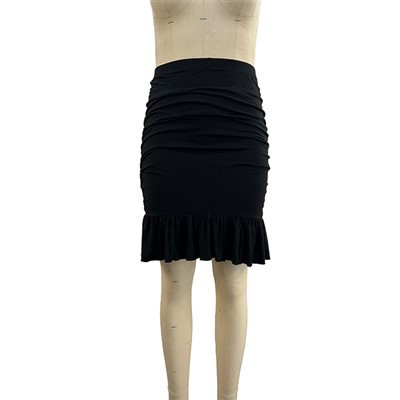
In conclusion, knitted skirts can be eco – friendly, but it depends on various factors such as the raw materials used, the manufacturing process, the lifespan of the skirt, and the disposal method. As a supplier, I am dedicated to providing eco – friendly knitted skirts that not only look good but also have a minimal environmental impact.
Knitted Skirt If you are interested in purchasing our knitted skirts or have any questions about our products, I invite you to contact me for a procurement discussion. I look forward to working with you to contribute to a more sustainable fashion industry.
References
- "Textile Sustainability: A Comprehensive Guide" by authors in the field of textile science.
- Reports from environmental organizations on the impact of different textile materials.
- Studies on the energy and water consumption in the textile manufacturing process.
Zhongshan Aorong Clothing Co., Ltd.
As one of the leading knitted skirt manufacturers and suppliers in China, we offer a wide range of products with superior quality. Please rest assured to buy customized knitted skirt made in China here from our factory. For quotation, contact us now.
Address: No. 2, Xingyuan Road, Pingdong Industrial Zone, Sanxiang Town, Zhongshan City, Guangdong Province, China
E-mail: aorong@takvengcn.com
WebSite: https://www.cnaorong.com/
