Welded wire mesh is a versatile and widely used material in various industries, from construction and agriculture to fencing and decoration. As a supplier of welded wire mesh, I often receive inquiries about how to bend this material effectively. In this blog, I will share some practical tips and techniques on bending welded wire mesh, based on my experience in the industry. Welded Wire Mesh
Understanding Welded Wire Mesh
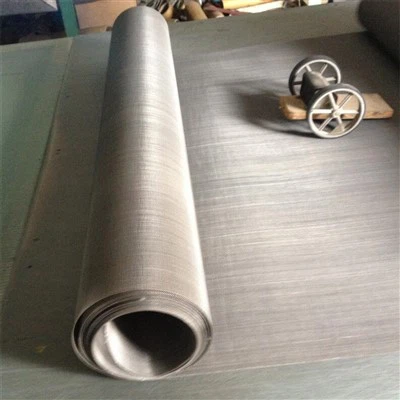
Before we delve into the bending process, it’s important to understand the characteristics of welded wire mesh. Welded wire mesh is made by welding individual wires together at their intersections. The wires can be made of different materials, such as steel, stainless steel, or galvanized steel, and come in various gauges and mesh sizes. The strength and flexibility of the mesh depend on the wire gauge and the type of material used.
Tools and Equipment
To bend welded wire mesh, you will need a few basic tools and equipment. Here are some essential items:
- Pliers: Pliers are useful for gripping and manipulating the wire mesh. You can use regular pliers or needle-nose pliers, depending on the size and thickness of the mesh.
- Hammer: A hammer can be used to gently tap the mesh into shape. Make sure to use a soft-faced hammer to avoid damaging the wires.
- Bending Jig: A bending jig is a tool that helps you bend the mesh at a specific angle. You can make a simple bending jig using a piece of wood or metal.
- Measuring Tape: A measuring tape is essential for measuring the length and width of the mesh and ensuring accurate bends.
- Safety Gear: Wear safety glasses and gloves to protect your eyes and hands from sharp wires.
Bending Techniques
There are several techniques you can use to bend welded wire mesh, depending on the shape and size of the bend you need. Here are some common methods:
- Manual Bending: For small bends, you can use your hands and pliers to bend the mesh. Start by gripping the mesh at the point where you want to make the bend and slowly apply pressure to bend the wires. Use the pliers to hold the mesh in place and make small adjustments as needed.
- Using a Bending Jig: For more precise bends, you can use a bending jig. Place the mesh on the jig and align it with the desired angle. Use a hammer to gently tap the mesh into shape, following the contours of the jig.
- Heat Bending: If you need to make a large or complex bend, you can use heat to soften the wires and make them more pliable. Use a torch to heat the area of the mesh where you want to make the bend. Be careful not to overheat the wires, as this can cause them to become brittle. Once the wires are heated, use pliers or a bending jig to bend the mesh into the desired shape.
Tips for Successful Bending
Here are some tips to help you bend welded wire mesh successfully:
- Choose the Right Mesh: Make sure to choose a mesh that is suitable for your application. Consider the wire gauge, mesh size, and material when selecting the mesh.
- Plan Your Bends: Before you start bending the mesh, plan your bends carefully. Measure the length and width of the mesh and mark the points where you want to make the bends. This will help you ensure accurate and consistent bends.
- Use the Right Tools: Use the right tools for the job. Make sure your pliers, hammer, and bending jig are in good condition and appropriate for the size and thickness of the mesh.
- Take Your Time: Bending welded wire mesh requires patience and precision. Take your time and make small adjustments as needed to ensure a smooth and even bend.
- Test Your Bends: Before you finalize your bends, test them to make sure they are the right shape and size. You can use a template or a sample to check the accuracy of your bends.
Applications of Bent Welded Wire Mesh
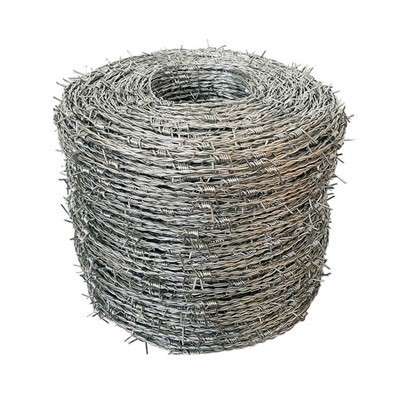
Bent welded wire mesh has a wide range of applications in various industries. Here are some common uses:
- Fencing: Bent welded wire mesh is commonly used for fencing applications. It can be bent into various shapes and sizes to create custom fences for residential, commercial, and industrial properties.
- Construction: Bent welded wire mesh is used in construction for reinforcement purposes. It can be bent into different shapes and sizes to fit the specific requirements of a project.
- Agriculture: Bent welded wire mesh is used in agriculture for animal enclosures, poultry cages, and crop protection. It can be bent into different shapes and sizes to create custom enclosures for livestock and poultry.
- Decoration: Bent welded wire mesh is used in decoration for creating unique and stylish designs. It can be bent into different shapes and sizes to create decorative panels, screens, and partitions.
Conclusion
Metal Conveyor Belt Bending welded wire mesh is a skill that can be learned with practice. By following the tips and techniques outlined in this blog, you can bend welded wire mesh effectively and create custom shapes and sizes for your specific applications. As a supplier of welded wire mesh, I am committed to providing high-quality products and excellent customer service. If you have any questions or need further assistance with bending welded wire mesh, please feel free to contact me. I would be happy to help you with your project.
References
- "Welded Wire Mesh: A Comprehensive Guide" by John Smith
- "Bending Techniques for Welded Wire Mesh" by Jane Doe
- "Applications of Bent Welded Wire Mesh" by Tom Johnson
Anping Chenran Wire Mesh Co., Ltd.
We’re well-known as one of the leading welded wire mesh manufacturers and suppliers in China. With a professional production team, we are able to meet the needs of the majority of our customers. Please rest assured to buy high quality welded wire mesh in stock here from our factory.
Address: 500 Meters North of Guozhuang Village, Daziwen Town, Anping County, Hengshui City, Hebei, China
E-mail: sales@chenranwiremesh.com
WebSite: https://www.chenranwiremesh.com/
